

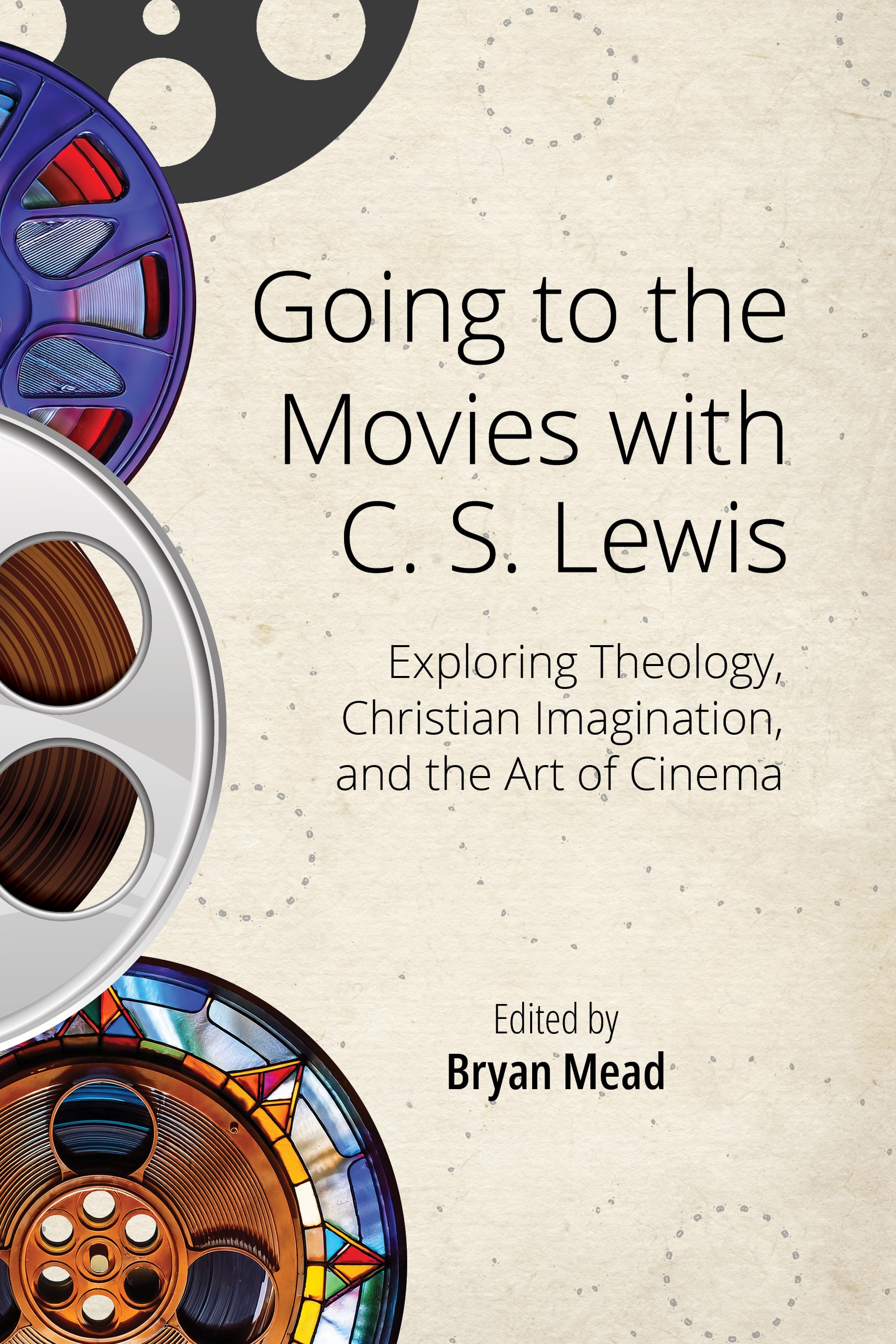
Going to the Movies with C. S. Lewis: Exploring Theology, Christian Imagination, and the Art of Cinema
Going to the Movies with C.S. Lewis is an edited collection exploring the thought and theology of C.S. Lewis as it relates to film and media. Lewis’s insights have had a profound effect on Christian life and thought for almost 80 years, and this book is an attempt to take some of those insights and apply them to film and media studies. It makes connections between Lewis’s work and film theory, specific films, and adaptations of his work. In many ways it is a book meant to explore how Lewis’s thought can help us view films as well as how films can help us better understand C. S. Lewis. To that end, the collection of essays fall into the following four categories: (1) Theoretical Foundations establishes the theoretical groundwork; (2) Adaptations and Fidelity examines how Lewis’s works have been translated to screen, revealing both the possibilities and limitations of cross-media adaptation; (3) Contemporary Resonances demonstrates how Lewis’s moral and philosophical insights illuminate films that engage with similar themes and concerns, even when not directly inspired by his work; (4) Genre and Medium examines how Lewis’s theoretical frameworks apply across different cinematic genres and forms, demonstrating their versatility while revealing how various genres pose distinct challenges for meaning making.
Endorsements
C.S. Lewis asserted his aversion to movies, seeing death in the camera, a sort of freezing of the imagination that French film critic Andre Bazin likened to the Egyptian practice of embalming the dead. Nevertheless, he and his brother Warnie occasionally sneaked in to watch movies like director Frank Lloyd’s adaptation of Noel Coward’s Cavalcade or the wonderfully debauched spectacle of Merian Cooper and Ernest Schoedsack’s 1933 King Kong (They would be haunted by Fay Wray’s screams echoing in their ears.) Later, he remembered how the lovely Deborah Kerr wearing shorts ruined MGM’s King Solomon’s Mines or at least altered the novel considerably. His mixed reactions to Disney’s Snow White reveal both his aversion to cheap, vulgar characterizations and his appreciation of the creative potential for cinematic art. Lewis’s musings on the movies and on critical reflections of all diverse texts fertilize this fecund collection of scholars looking at films through the lenses of Lewis. This experiment in film criticism serves as a sumptuous feast for both Lewis scholars and cinephiles. In classic Lewis style, one may both enjoy and contemplate the writings in this fresh and delightfully unexpected collection of provocative works. And not feel in the least debauched.
—Terry Lindvall, PhD, Professor of Religious Studies, C.S. Lewis Endowed Chair in Communication and Christian Thought, Virginia Wesleyan University
This book was waiting to be written! Many of us who love both C. S. Lewis and movie-going have been combining these two loves for years. I know I have. Lewis—the author, art critic, and lay theologian—offers movie-goers wise counsel and artistic companionship. Mead’s book significantly expands this conversation. Enjoy the dialogue.
—Robert K. Johnston, PhD, Senior Professor of Theology and Culture, Fuller Theological Seminary
If you love movies and love C. S. Lewis, this book is for you. In an age when film shapes imagination as much as literature once did, Going to the Movies with C. S. Lewis asks what the great Oxford and Cambridge thinker might make of our modern storytelling world. Lewis’s books inspired many movies and TV shows. This volume invites readers to discover how one of the twentieth century’s most beloved authors continues to shape—and be shaped by—the silver screen. Blending fresh scholarship with cinematic insight, the essays explore Lewis’s own ideas about film and imagination, the creative journeys that brought The Chronicles of Narnia to life as global blockbuster movies, and the tender portrayal of his life and faith in Shadowlands. Written by leading researchers and Lewis experts, it offers both Lewis fans and film lovers a deeper appreciation of the enduring dialogue between story, theology, and visual art. Whether you’re a lifelong admirer of Lewis, or simply captivated by the storytelling power of movies, this book offers a new lens through which to see both.
—Steven A. Beebe, PhD, Regents’ and University Distinguished Professor of Communication Studies Emeritus, Texas State University
Perhaps surprisingly, C. S. Lewis had little to say about the emergence of film as an important Western cultural force, beyond his limited—and often critical—comments on aspects of Walt Disney’s animated films, especially his depiction of the dwarves in Snow White. Lewis was not (in general terms) sympathetic to the adaption of written texts into films, he rarely visited the cinema, and he produced no reviews of major films. Consequently, scholarly treatment of his engagement with film has thus far been limited. This volume sets out to correct that omission by inviting Lewis scholars and enthusiasts “to think about film through the lens of…Lewis’s theoretical, fictional, and biographical writings.” (from the Introduction) The eleven chapters, produced by scholars drawn from a wide range of disciplines, are grouped into four broad and diverse methodological categories: theoretical foundations, adaptions and fidelity, contemporary renounces, and genre and medium. These efforts have produced a welcome and ground-breaking study that challenges existing assumptions about Lewis’s limited engagement with film, initiating new areas of research, and adding to the richness and complexity of Lewis studies.
—Grayson Carter, PhD, Professor of Church History, Fuller Theological Seminary
What a great idea for a book! While admitting that Lewis was no fan of film, the contributors make a powerful case that Lewis’s musings on the nature of story can illuminate our understanding and appreciation of the medium of film. Whether analyzing movies based on Lewis’s own works or movies that share an aesthetic vision with Lewis’s writings, the contributors, most of them young, promising scholars, show equal sensitivity to Lewis and to film. Highly recommended.
—Louis Markos, PhD, Professor in English and Scholar in Residence, Houston Christian University
With a thoughtful introduction, Going to the Movies with C. S. Lewis answers any doubts as to why a connection between the esteemed Lewis and cinema is in order. This eclectic assortment of essays, from a broad swath of writers, engages readers, leading them through various interpretations, judgements, and analysis of Lewis applied to issues in cinema which are, as with all art forms, issues of meaning and value.
—Rod Miller, PhD, Professor of Art History, Hendrix College
About the author(s)