


The American evangelical church today faces profound political and cultural challenges. It is vitally important for the church to understand these challenges more fully and to think about them more theologically. It is also important for the church to repent of how we have failed to be the edifying and countercultural influence we ought to be, and craft an approach to public and political life that bears authentic and life-giving witness to who our God is and what he is like. In this book, the author shows how Justin Martyr, a prominent second-century church leader, provides a useful and powerful...
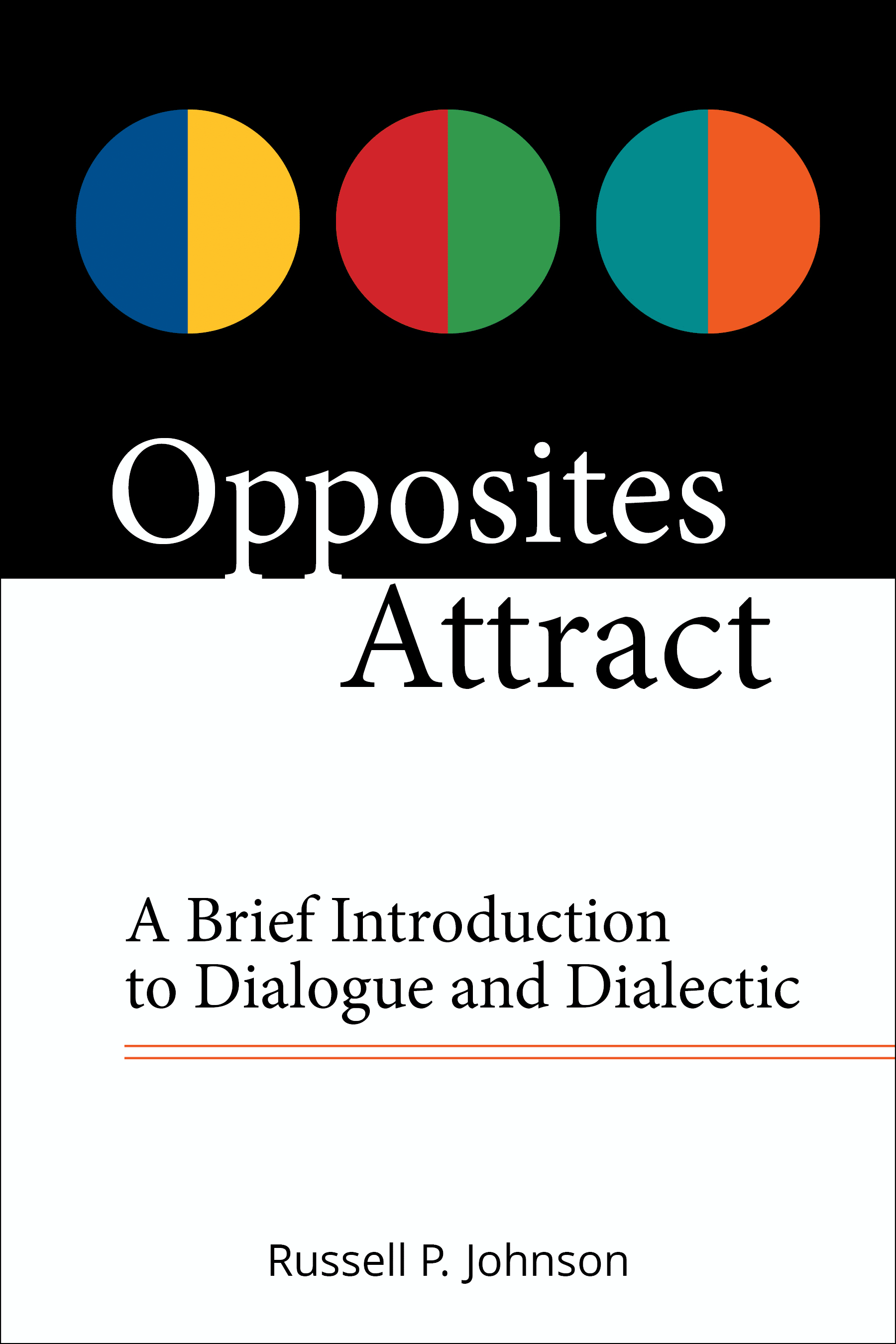
Opposites Attract introduces readers to the genre of philosophical dialogue and to dialectic, which the author defines as "a back-and-forth that gets us somewhere we couldn't have gotten without the back-and-forth." In an easy-to-follow (and sometimes humorous) way, the book analyzes classical and modern examples to argue that direct, monologic communication is not always the most persuasive form of argumentation. By presenting ideas that seem to contradict one another, or by presenting one's case as a dialogue between opposing parties, others can engage your thought processes in a dynamic way. Dialectic, at its best, makes readers active participants in the...
Christian graduate students often enter environments where intellectual rigor is high but spiritual support is limited. Stewarding Studentship: Navigating Faith and Learning in the Graduate Experience brings together student voices from across disciplines to illuminate what it means to pursue advanced study while remaining rooted in the Christian tradition. In settings where faith is sidelined or simply overlooked, these authors—these students—offer honest accounts of the tensions, hopes, and daily practices that sustain them.
Each chapter blends personal narrative with practical wisdom, showing how emerging scholars integrate their faith into research, teaching, leadership, and community life. Rather than abstract theory, readers...
This play is based on the biblical story involving John the Baptist, Salome, and Herod—the narrative found in Matthew 14:1–12 and Mark 6:14–29. As Scripture unfolds in these passages, John the Baptist publicly condemned Herod Antipas, the ruler of Galilee, for marrying Herodias, his brother Philip’s wife, calling the union unlawful. Herodias resented John deeply and wanted him killed, but Herod feared John, knowing him to be a righteous and holy man, and kept him imprisoned instead.
During Herod’s birthday banquet, Salome (unnamed in Scripture but identified by the historian Josephus) danced before Herod and his guests. Pleased, Herod rashly...
How should Christians address specific problems, controversies, and crises in communication today? By looking at influential Christian thinkers throughout history, we can identify wisdom that enriches us today in practical ways.
Words and Witnesses explores various influential Christian thinkers and theologians from across church history in order to expand our contemporary conversations in communication studies and media theory. Individual chapters written by contributing scholars focus on major Christian thinkers, starting with Athanasius, St. Augustine, and John Chrysostom, moving through the Middle Ages to address figures such as Anselm, Nicholas of Cusa, Teresa of Lisieux, and arriving in the present with reflections...