

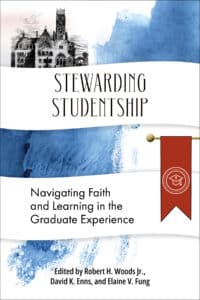
Christian graduate students often enter environments where intellectual rigor is high but spiritual support is limited. Stewarding Studentship: Navigating Faith and Learning in the Graduate Experience brings together student voices from across disciplines to illuminate what it means to pursue advanced study while remaining rooted in the Christian tradition. In settings where faith is sidelined or simply overlooked, these authors—these students—offer honest accounts of the tensions, hopes, and daily practices that sustain them.
Each chapter blends personal narrative with practical wisdom, showing how emerging scholars integrate their faith into research, teaching, leadership, and community life. Rather than abstract theory, readers...

For decades, Christian scholarship has been shaped by worldview approaches that frame faith primarily as an intellectual system. Re-imagining the Kingdom invites a starting point rooted in desire, formation, and the embodied practices that shape the Christian imagination. Chapters explore how Christian scholarship might move beyond worldview approaches to embrace practices that cultivate trust, credibility, relational presence, and spiritual depth. Emerging from a dialogic unconference hosted by the Christianity and Communication Studies Network by the same name, and drawing on the insights of James K. A. Smith, this volume gathers scholars and educators who are rethinking academic life through the...
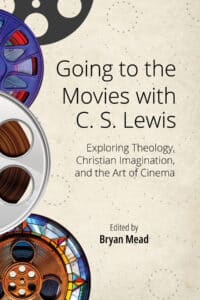
Going to the Movies with C.S. Lewis is an edited collection exploring the thought and theology of C.S. Lewis as it relates to film and media. Lewis’s insights have had a profound effect on Christian life and thought for almost 80 years, and this book is an attempt to take some of those insights and apply them to film and media studies. It makes connections between Lewis’s work and film theory, specific films, and adaptations of his work. In many ways it is a book meant to explore how Lewis’s thought can help us view films as well as how...
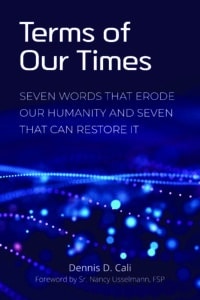
In our rapidly evolving digital landscape, our lives are changed in ways we frequently fail to notice. We work faster and longer, but at what cost? This book explores seven pivotal terms—Authenticity, Buzzfeed, Connectivity, Device, Environment, Instagram, and Productivity—that define our digital interactions and reshape our consciousness. But there’s hope. For each term, Cali introduces a counter-term—Accompaniment, Beauty, Communitas, Dasein, Encounter, Inscape, and Presence—that guides us toward a more balanced and meaningful existence. This journey is both a diagnosis of the digital age's challenges and a practical guide for reclaiming our humanity amidst the noise.
What sets this book apart?...
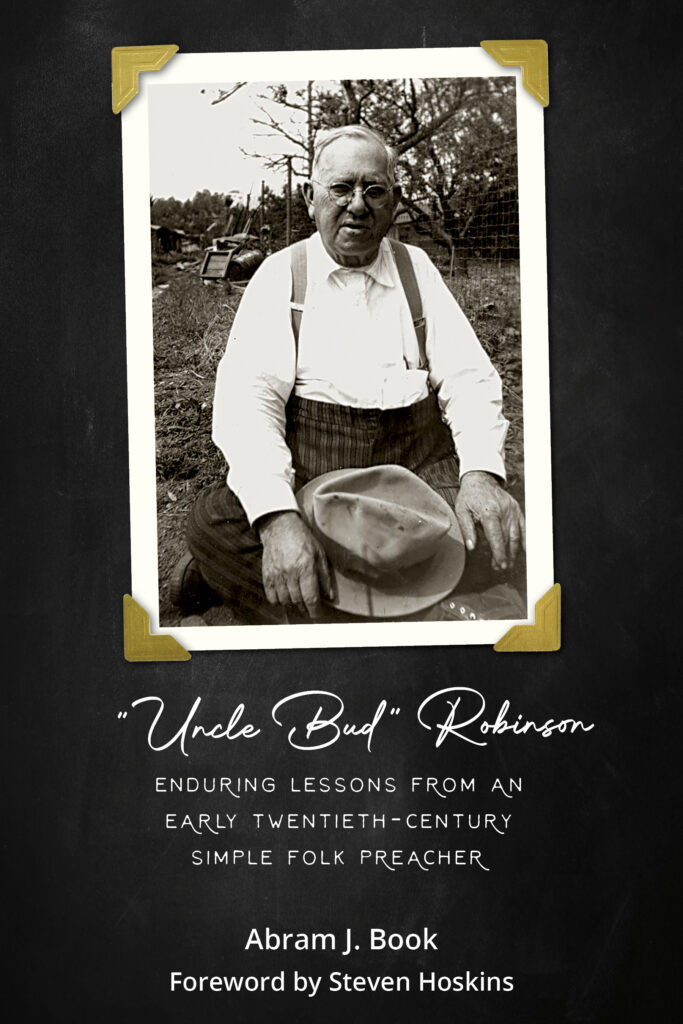
Reuben "Uncle Bud" Robinson, born a moonshiner's son in Tennessee and converted under the preaching of a traveling circuit rider while working as a Texas ranch hand, persevered to become the Mark Twain of the early twentieth-century holiness movement. And, at the height of his ministry, he was dubbed "the most popular man in America." This book explains how a man who originally came from nothing eventually came to personify an entire subset of American Christianity and what it means for Christianity and evangelicalism today. The author examines how "Uncle Bud's" preaching brought together people from all...
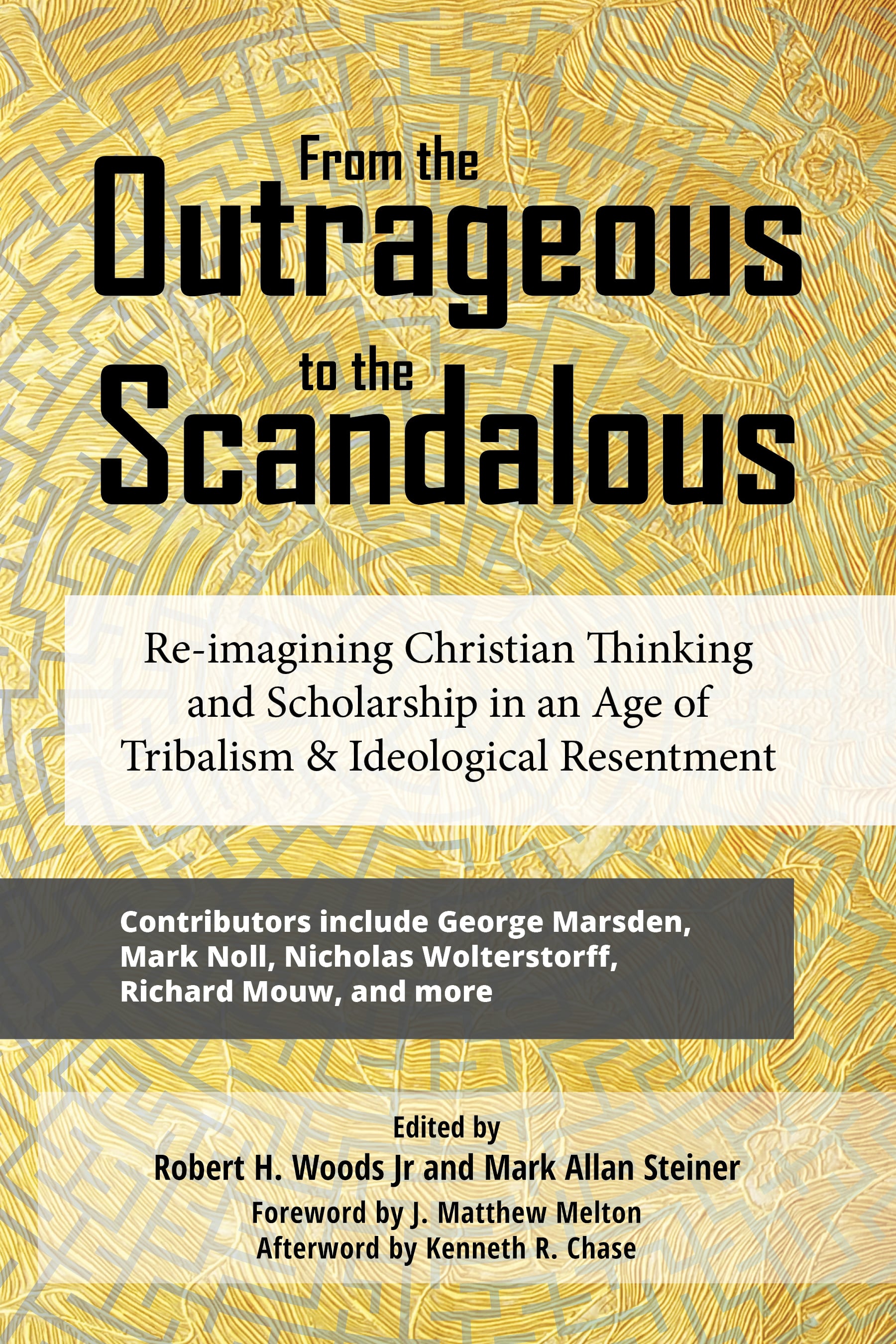
Since the publication of Mark Noll's The Scandal of the Evangelical Mind (1994) and George Marsden's The Outrageous Idea of Christian Scholarship (1997), Christian educators have worked to challenge anti-intellectualism within American evangelicalism and to demonstrate how religious and theological commitments can deepen our understanding of the world. Yet questions remain about the lasting impact of these efforts: How much progress has been made? To what extent does anti-intellectualism still hinder evangelical thought? And what new challenges and opportunities face faith-informed scholars today? From the Outrageous to the Scandalous explores these questions through a rich and wide-ranging collection of essays....
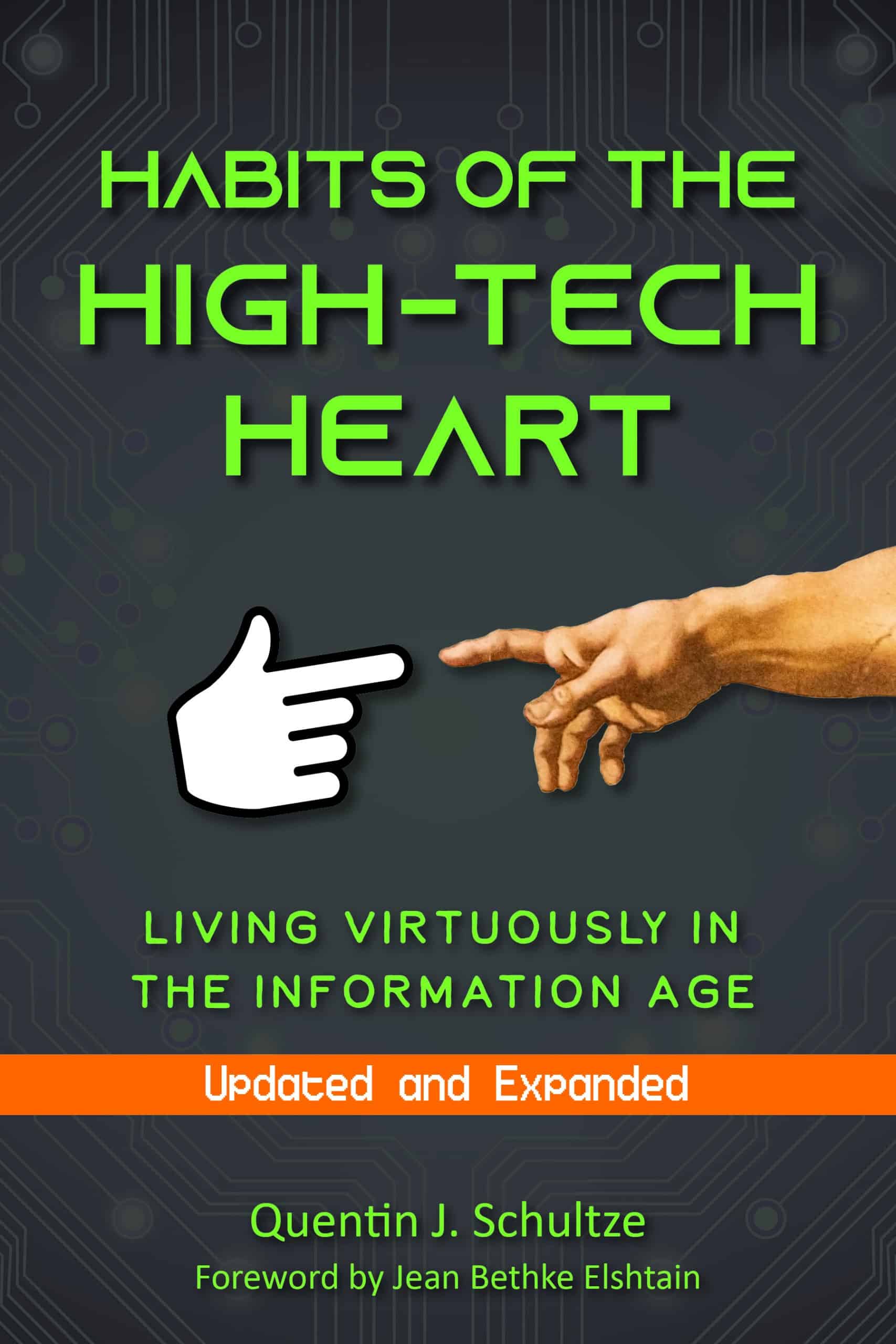
In this updated and expanded edition, Schultze and invited guests consider the moral and social costs of today's sophisticated technology, arguing that the benefits of a cyberculture can be better appreciated by refocusing on the traditional Judeo-Christian values of discernment, moderation, wisdom, humility, authenticity, and diversity. Contributors reflect on Schultze's original offering --first published more than 20 years ago--and evaluate its arguments in light of today's fast-paced, ever-changing technological landscape. Contributors suggest ways in which Schultze's original arguments and critiques offer continued hope and a clear path forward in digital environs filled with personal and institutional burdens. Theoretical connections between...
Sermons preached before a congregation are only one way people hear messages of faith. Whether the listener is seated in a pew or listening to a podcast or a book about faith, most of the faith-talk people hear is shaped by a speaker's faith sensibility. And those faith sensibilities can generally be distinguished as four distinctly different "voices" of preaching. Understanding what these voices are, how they differ in purpose as well as design, and how excellence in each voice can make for greater authenticity in communicating faith is what this book is about. The author canvases the tradition of...

What do we expect from our words? And what if those very expectations were not just wrong, but dangerous, and dangerous precisely because they kept us from moving toward justice? In a provocative and sustained argument, Professor Williams forwards the claim that our present ideas of language are a closed loop that inevitably spirals toward violence. By turning to views that were common in the ages before the modern world, but now lost, he suggests not a new but an old perspective on logos, one that seems to provide a foundation for responding to the troubles and limitations of our...
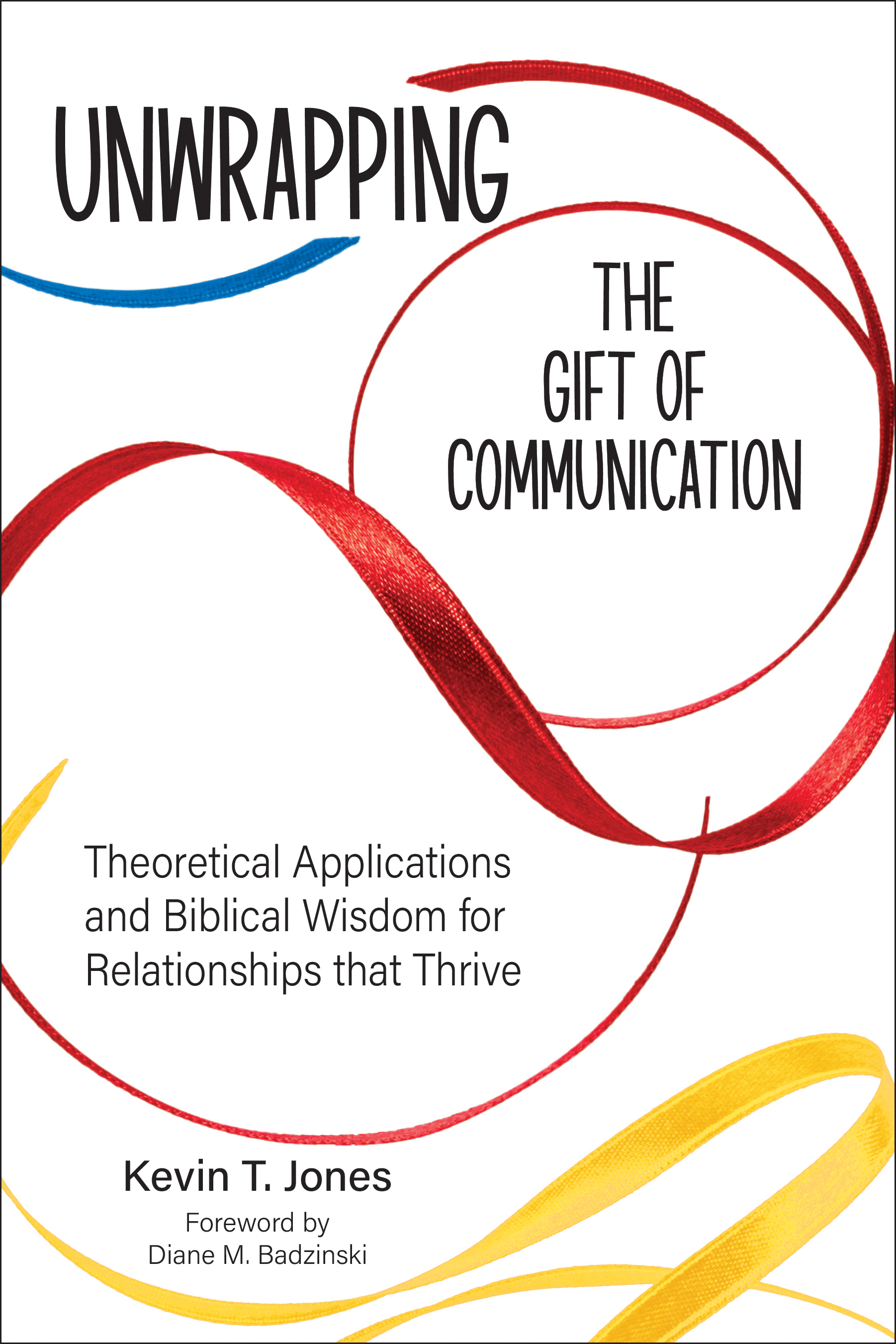
Unwrapping the Gift of Communication provides readers with theoretically sound principles and guidelines for relational communication. God created human beings with the gift of language which allows us to communicate and build relationships. Unfortunately, this "gift" can often cause problems and strain relationships. Fortunately, God was aware of the challenges communication could create and we have been given Scripture to help us figure out how to unwrap the gift and use it in a positive way. This book takes several contemporary communication concepts and uses Scripture to illustrate what that theory means and how to apply it to your everyday...
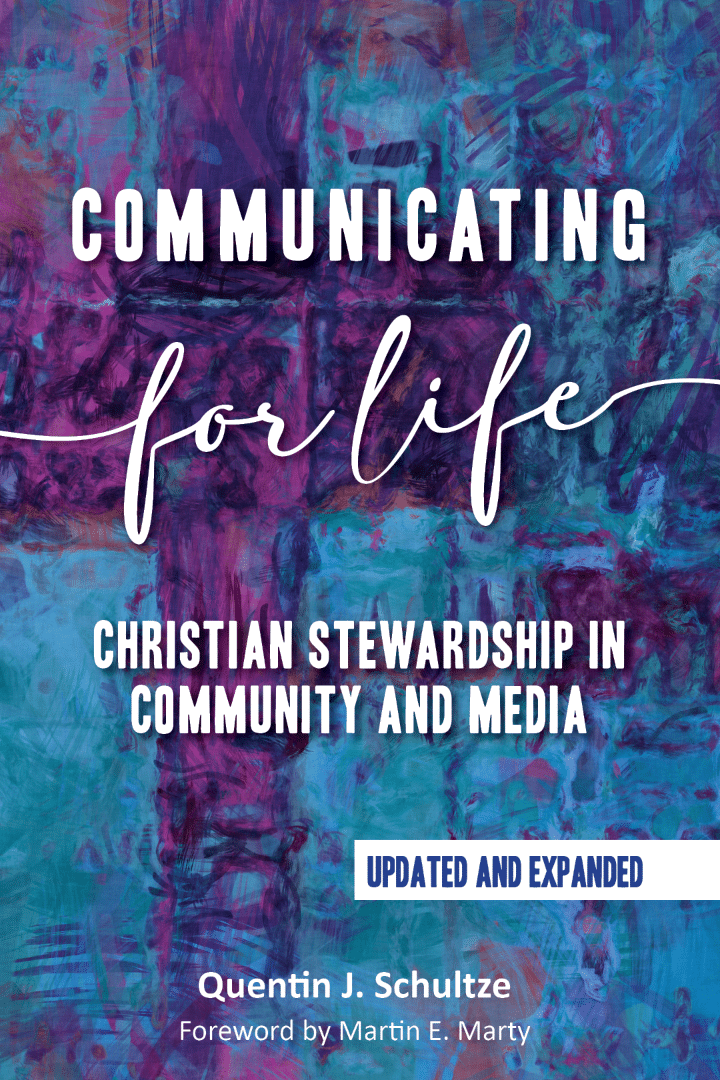
In this updated and expanded edition, the author invites professors of communication and media to reflect on each chapter in light of our current cultural challenges and technological advancements over the past two decades. The collection of voices and conversations offer a discerning introduction to communication theory that guides readers through an interesting, creative, and biblical study of communication. Thoroughly grounded in a Christian worldview, Communicating for Life explores the implications of individual human communication and the influence of communication on community.

Why does the family matter? How can the family truly flourish with so many different opinions about what family means and what role it plays in society? How can we strengthen the family to reflect God's design for it? Family Communication and the Christian Faith: An Introduction and Exploration provides answers to these questions. This book examines the family from a biblical worldview while integrating theories and practices from diverse academic disciplines (psychology, theology, family studies, sociology) with special emphasis on how communication creates and sustains healthy, rewarding, and godly families. Instructor's Resource and Teaching Guide available. Published by Integratio...

This book aims to change the Christian conversation regarding civility, from techniques about achieving civility to the conditions necessary for civility to exist. As such, the authors in this volume explore the work of Dr. Calvin Troup, president of Geneva College, and his insights regarding humility and hospitality--presented at a keynote address at a conference--and interrogate the ideas that serve as its foundation. The goal of the book is to create a conversation across the broad spectrum of Christian experience and voices from within secular culture in order to explore, in a robust fashion, the possibilities for hospitality, humility, and...

At a time when Christian voices in higher education are facing increased persecution and marginalization, the Christian authors of this collection who teach in public universities share their faith-learning integration journeys including their practical, theoretical, and biblically based strategies for teaching, administration, and doing research. Authors explain how they actively subvert secular worldviews that marginalize biblical truth, promote incivility, and discourage love of neighbor. At the same time, they explore pro-active, bridge-building and transformational methods for cultivating biblical absolutes and Christian virtue in ways that prompt evangelistic encounters. The book adds to ongoing and robust faith-learning conversations in higher education...