

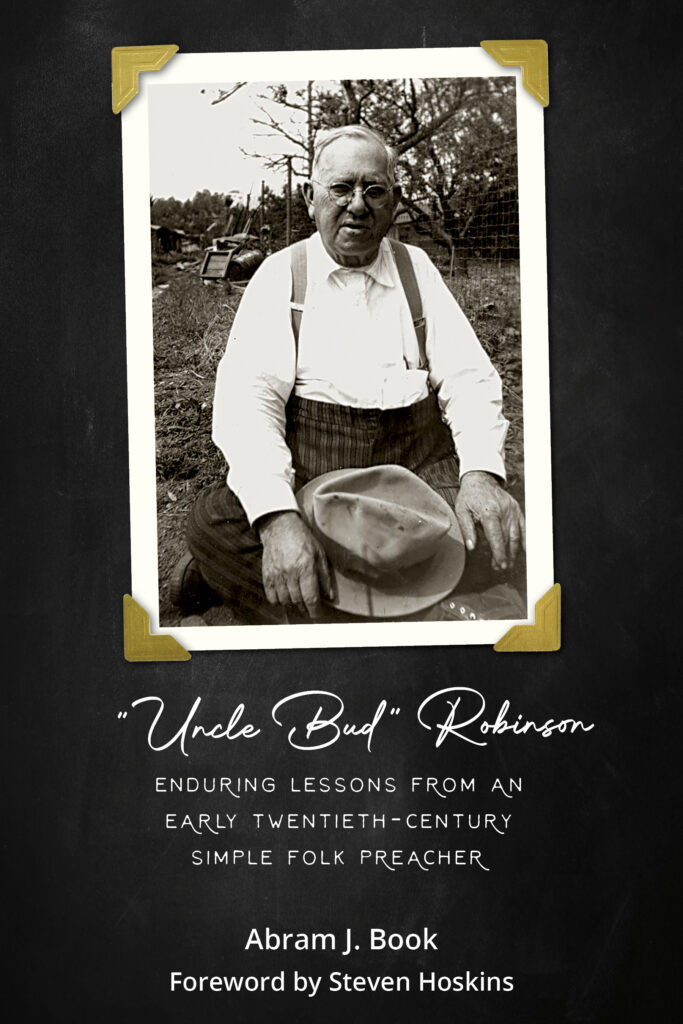
Reuben "Uncle Bud" Robinson, born a moonshiner's son in Tennessee and converted under the preaching of a traveling circuit rider while working as a Texas ranch hand, persevered to become the Mark Twain of the early twentieth-century holiness movement. And, at the height of his ministry, he was dubbed "the most popular man in America." This book explains how a man who originally came from nothing eventually came to personify an entire subset of American Christianity and what it means for Christianity and evangelicalism today. The author examines how "Uncle Bud's" preaching brought together people from all...
The author presents a unique approach to Oral Interpretation for individual or group performances. As a theatre artist, the author suggests that Oral Interpretation, as a performance art, requires a creative performance approach. In this context, creativity and discovery are the key factors in the preparation and rehearsal process, unlike other approaches that emphasize literary analysis. This book is a comprehensive guide for teachers, youth leaders, geriatric activity providers, and community theater groups interested in the art, and science, of Oral Interpretation.
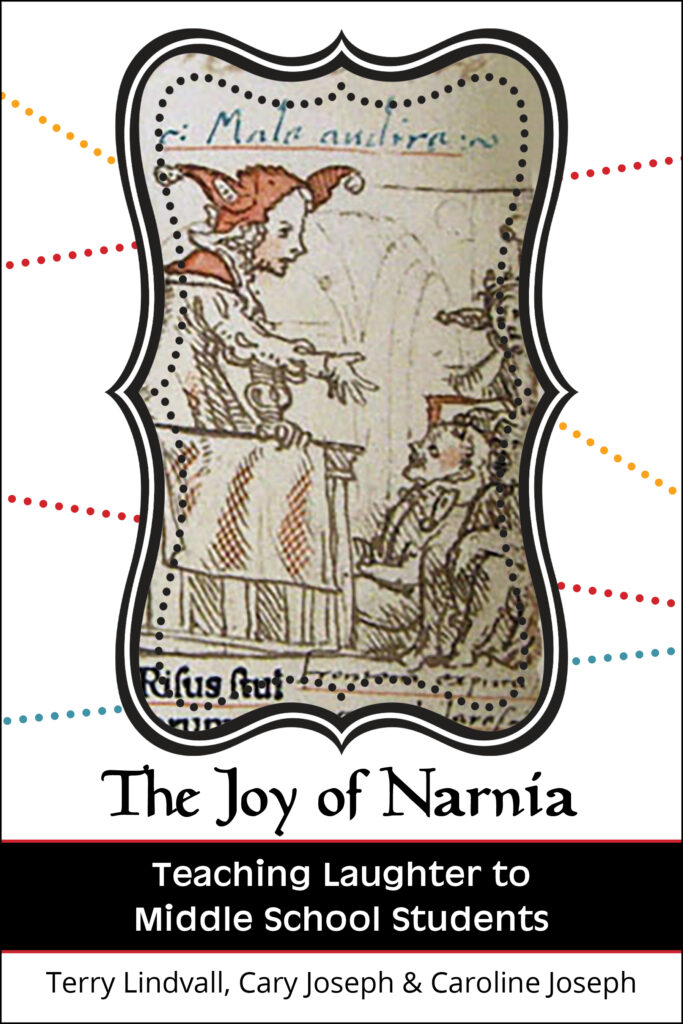
A university professor and two young middle school English teachers weave recent educational research on humor with examples from C.S. Lewis's Narnia Chronicles to make a compelling case for teaching teachers how to relax and enjoy the wild things in the classroom. Using Lewis's foundational ideas on the four sources of laughter--Joy, Fun/Play, the Joke Proper, and Flippancy--they illustrate how children begin to lose their gentle and affiliative laughter through the middle school years, often becoming mean, cruel, and cynical, and then suggest ways to counter the downward trajectory and revive the joy and fun of learning. What makes the...
Sermons preached before a congregation are only one way people hear messages of faith. Whether the listener is seated in a pew or listening to a podcast or a book about faith, most of the faith-talk people hear is shaped by a speaker's faith sensibility. And those faith sensibilities can generally be distinguished as four distinctly different "voices" of preaching. Understanding what these voices are, how they differ in purpose as well as design, and how excellence in each voice can make for greater authenticity in communicating faith is what this book is about. The author canvases the tradition of...

What do we expect from our words? And what if those very expectations were not just wrong, but dangerous, and dangerous precisely because they kept us from moving toward justice? In a provocative and sustained argument, Professor Williams forwards the claim that our present ideas of language are a closed loop that inevitably spirals toward violence. By turning to views that were common in the ages before the modern world, but now lost, he suggests not a new but an old perspective on logos, one that seems to provide a foundation for responding to the troubles and limitations of our...