


Reuben "Uncle Bud" Robinson, born a moonshiner's son in Tennessee and converted under the preaching of a traveling circuit rider while working as a Texas ranch hand, persevered to become the Mark Twain of the early twentieth-century holiness movement. And, at the height of his ministry, he was dubbed "the most popular man in America." This book explains how a man who originally came from nothing eventually came to personify an entire subset of American Christianity and what it means for Christianity and evangelicalism today. The author examines how "Uncle Bud's" preaching brought together people from all...

Kipper Kidd and crew help Jennifer and Amy learn that being kind online, and unplugging from time to time, help us stick together. Kids learn how phones can push us apart or pull us together in this primer on using phones responsibly.

In this updated and expanded edition, Schultze and invited guests consider the moral and social costs of today's sophisticated technology, arguing that the benefits of a cyberculture can be better appreciated by refocusing on the traditional Judeo-Christian values of discernment, moderation, wisdom, humility, authenticity, and diversity. Contributors reflect on Schultze's original offering --first published more than 20 years ago--and evaluate its arguments in light of today's fast-paced, ever-changing technological landscape. Contributors suggest ways in which Schultze's original arguments and critiques offer continued hope and a clear path forward in digital environs filled with personal and institutional burdens. Theoretical connections between...
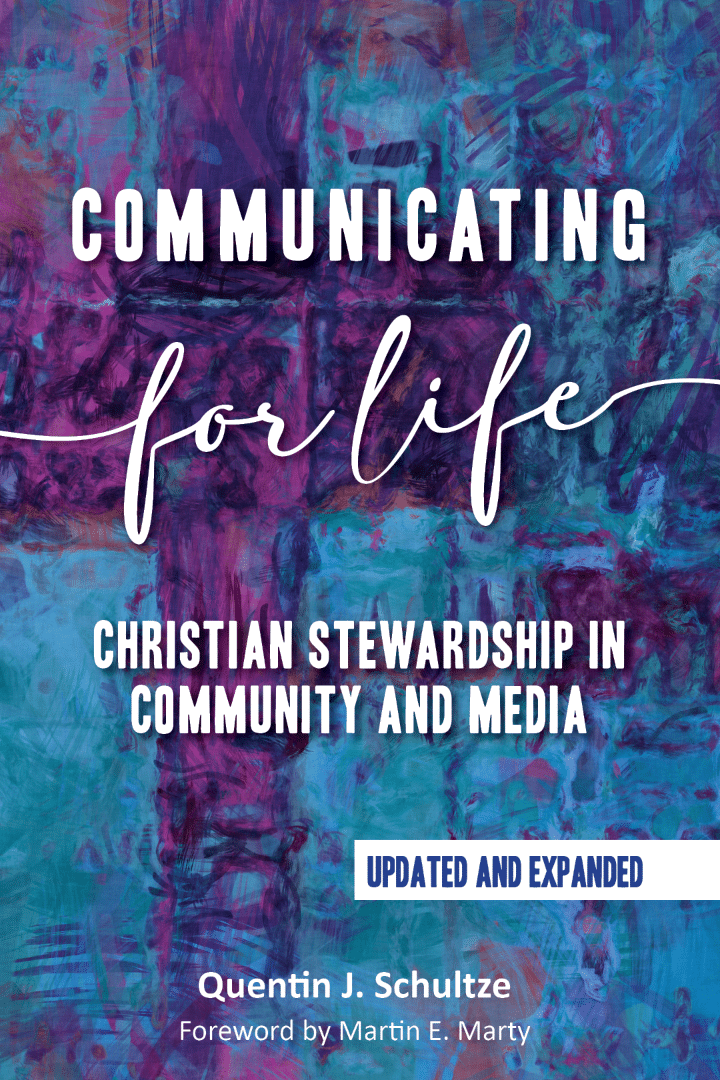
In this updated and expanded edition, the author invites professors of communication and media to reflect on each chapter in light of our current cultural challenges and technological advancements over the past two decades. The collection of voices and conversations offer a discerning introduction to communication theory that guides readers through an interesting, creative, and biblical study of communication. Thoroughly grounded in a Christian worldview, Communicating for Life explores the implications of individual human communication and the influence of communication on community.