


Opposites Attract introduces readers to the genre of philosophical dialogue and to dialectic, which the author defines as "a back-and-forth that gets us somewhere we couldn't have gotten without the back-and-forth." In an easy-to-follow (and sometimes humorous) way, the book analyzes classical and modern examples to argue that direct, monologic communication is not always the most persuasive form of argumentation. By presenting ideas that seem to contradict one another, or by presenting one's case as a dialogue between opposing parties, others can engage your thought processes in a dynamic way. Dialectic, at its best, makes readers active participants in the...
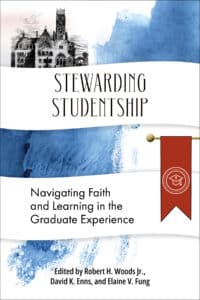
Christian graduate students often enter environments where intellectual rigor is high but spiritual support is limited. Stewarding Studentship: Navigating Faith and Learning in the Graduate Experience brings together student voices from across disciplines to illuminate what it means to pursue advanced study while remaining rooted in the Christian tradition. In settings where faith is sidelined or simply overlooked, these authors—these students—offer honest accounts of the tensions, hopes, and daily practices that sustain them.
Each chapter blends personal narrative with practical wisdom, showing how emerging scholars integrate their faith into research, teaching, leadership, and community life. Rather than abstract theory, readers...

Ella Wilhelmina is a spirited, curious girl with a plan for everything—especially solving problems. Tackling challenges head-on, Ella is certain she can out-think, out-plan, and out-wiggle any problem. But along the way, she discovers something even better than a solution: the people who love her, who help her see the world—and its trickiest dilemmas—in a whole new light.
In The Big Conundrum funny expressions have Ella puzzled all day . . . until bedtime when her parents tell her it’s time to fall asleep. There’s just one problem: the last time Ella fell, she broke her arm. When all her...

In our rapidly evolving digital landscape, our lives are changed in ways we frequently fail to notice. We work faster and longer, but at what cost? This book explores seven pivotal terms—Authenticity, Buzzfeed, Connectivity, Device, Environment, Instagram, and Productivity—that define our digital interactions and reshape our consciousness. But there’s hope. For each term, Cali introduces a counter-term—Accompaniment, Beauty, Communitas, Dasein, Encounter, Inscape, and Presence—that guides us toward a more balanced and meaningful existence. This journey is both a diagnosis of the digital age's challenges and a practical guide for reclaiming our humanity amidst the noise.
What sets this book apart?...

Kipper and crew help siblings Finnley and Connor when their fight over a last cookie leads to finger pointing and shouting. Children learn that clear rules, kindness, and the “balance out” principle can guide our talk when life isn’t fair. (Recommended for kids ages 6–10)

Kipper Kidd and crew help Abigail and Jonas cool their jets when playtime turns ugly over a broken Jungle Jumper. Children learn how to deal with conflict by counting to five, sharing emotions, and using words to apologize and forgive rather than make demands.
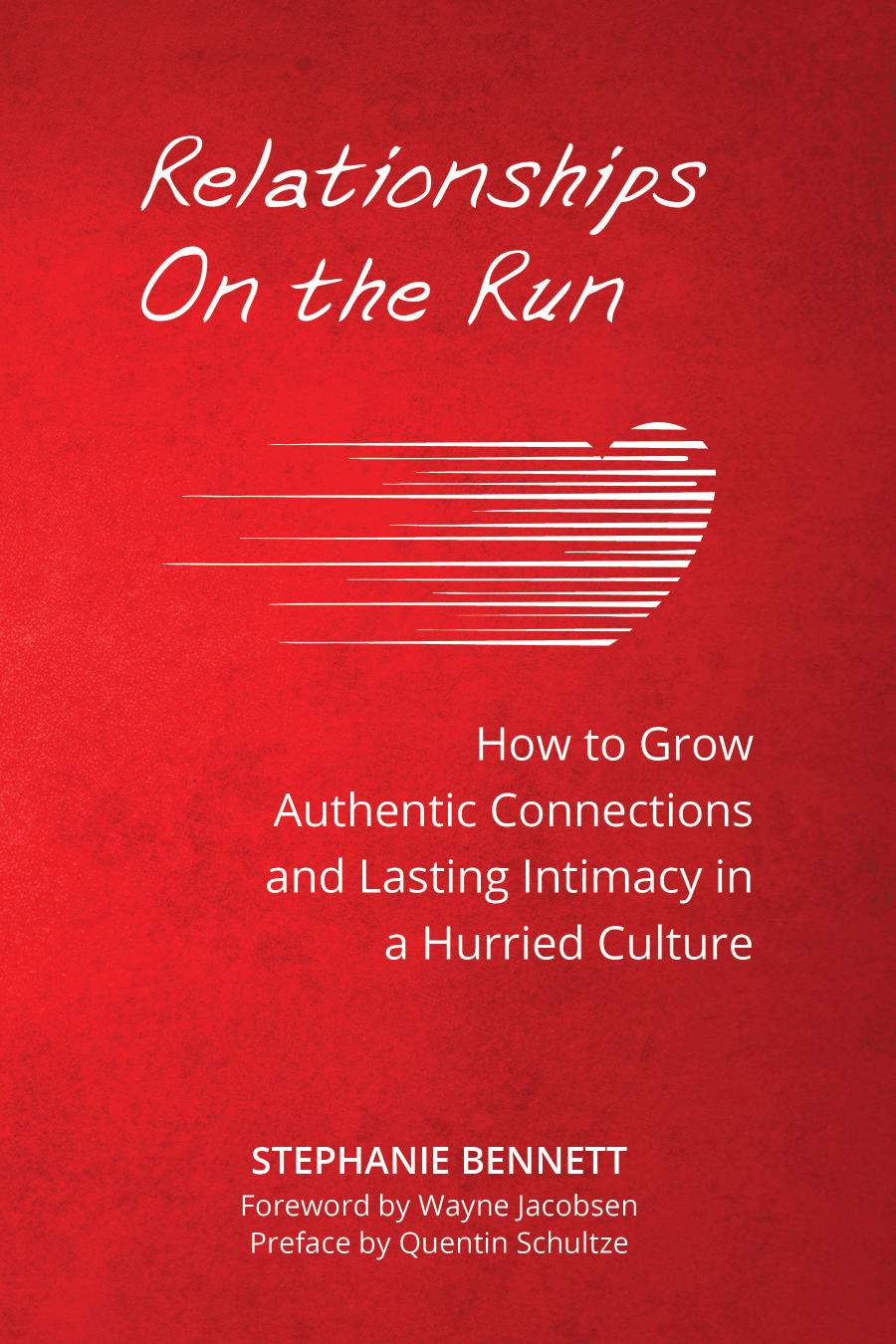
Stressful. Overwhelming. Too much. If these words describe the tone of your everyday life, it's time for a change. In the midst of a fast-paced world we need strong friends and family relationships more than ever. The digital devices used to connect us often inhibit even the best efforts to communicate effectively, pulling us into more remote exchanges that isolate us rather than bring us together. This book addresses these challenges head-on. With stories from Scripture and real life, the author helps readers find help and inspiration for love and friendship that flourish rather than simply survive.
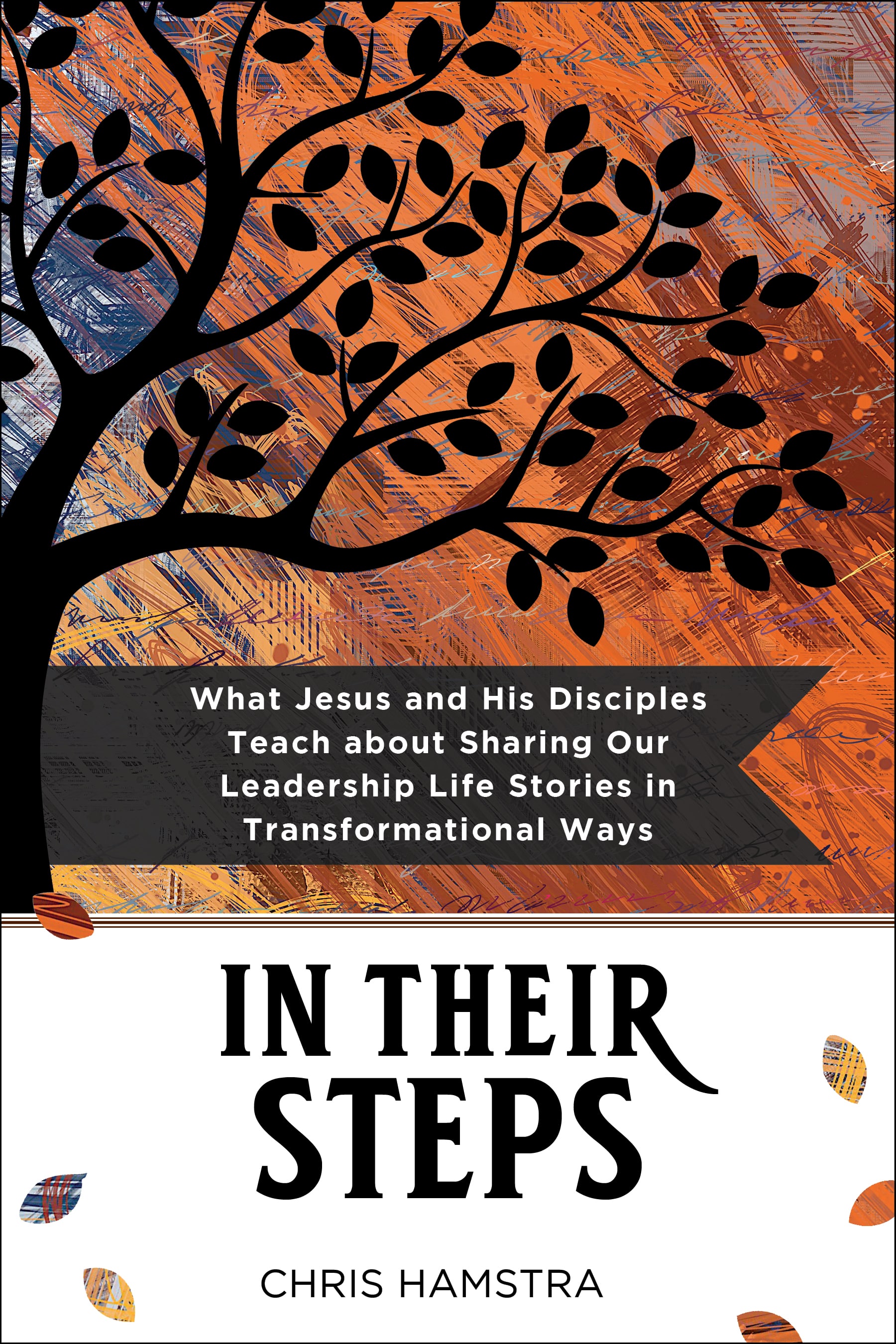
This book helps leaders discover, develop, and deliver their leadership lifestories. Through examples of Jesus's 12 disciples, readers will understand more about the relationship between storytelling and leadership from first-century followers of Jesus. In a world that seems to separate people, Leadership Lifestories bring people back together by pointing to the peace found in the redeeming work of Jesus Christ. Each chapter includes simple steps so that individuals can uncover their unique strengths and discover how they can better serve their families, their organizations, and their communities.

Kipper Kidd and crew help Jennifer and Amy learn that being kind online, and unplugging from time to time, help us stick together. Kids learn how phones can push us apart or pull us together in this primer on using phones responsibly.

With Professor Kipper Kidd, kids learn the importance of using words and facial expressions to share on the outside what they are thinking and feeling on the inside. In the book Professor Kipper Kidd Meets Meaning Mayhem, Kipper Kidd and crew rescue Booker and Ethan from misunderstanding when their chat after a baseball game goes haywire.

In this updated and expanded edition, Schultze and invited guests consider the moral and social costs of today's sophisticated technology, arguing that the benefits of a cyberculture can be better appreciated by refocusing on the traditional Judeo-Christian values of discernment, moderation, wisdom, humility, authenticity, and diversity. Contributors reflect on Schultze's original offering --first published more than 20 years ago--and evaluate its arguments in light of today's fast-paced, ever-changing technological landscape. Contributors suggest ways in which Schultze's original arguments and critiques offer continued hope and a clear path forward in digital environs filled with personal and institutional burdens. Theoretical connections between...

A university professor and two young middle school English teachers weave recent educational research on humor with examples from C.S. Lewis's Narnia Chronicles to make a compelling case for teaching teachers how to relax and enjoy the wild things in the classroom. Using Lewis's foundational ideas on the four sources of laughter--Joy, Fun/Play, the Joke Proper, and Flippancy--they illustrate how children begin to lose their gentle and affiliative laughter through the middle school years, often becoming mean, cruel, and cynical, and then suggest ways to counter the downward trajectory and revive the joy and fun of learning. What makes the...

In this updated and expanded version of Dr. Spencer's classic offering, we are treated to new insights and expressions of wisdom. Big, colorful virtues like courage and decisiveness in crisis easily get our attention. But sometimes it's those everyday values that shape us much more profoundly. Lost in our noisy, flashy, gaudy world are the quiet virtues that work behind the scenes--molding our character, guiding our actions, enriching our lives. Greg Spencer unfolds the beauty and nature of each, showing us how to take notice of discernment, innocence, generosity, authenticity and more. In this book you'll discover how far from...
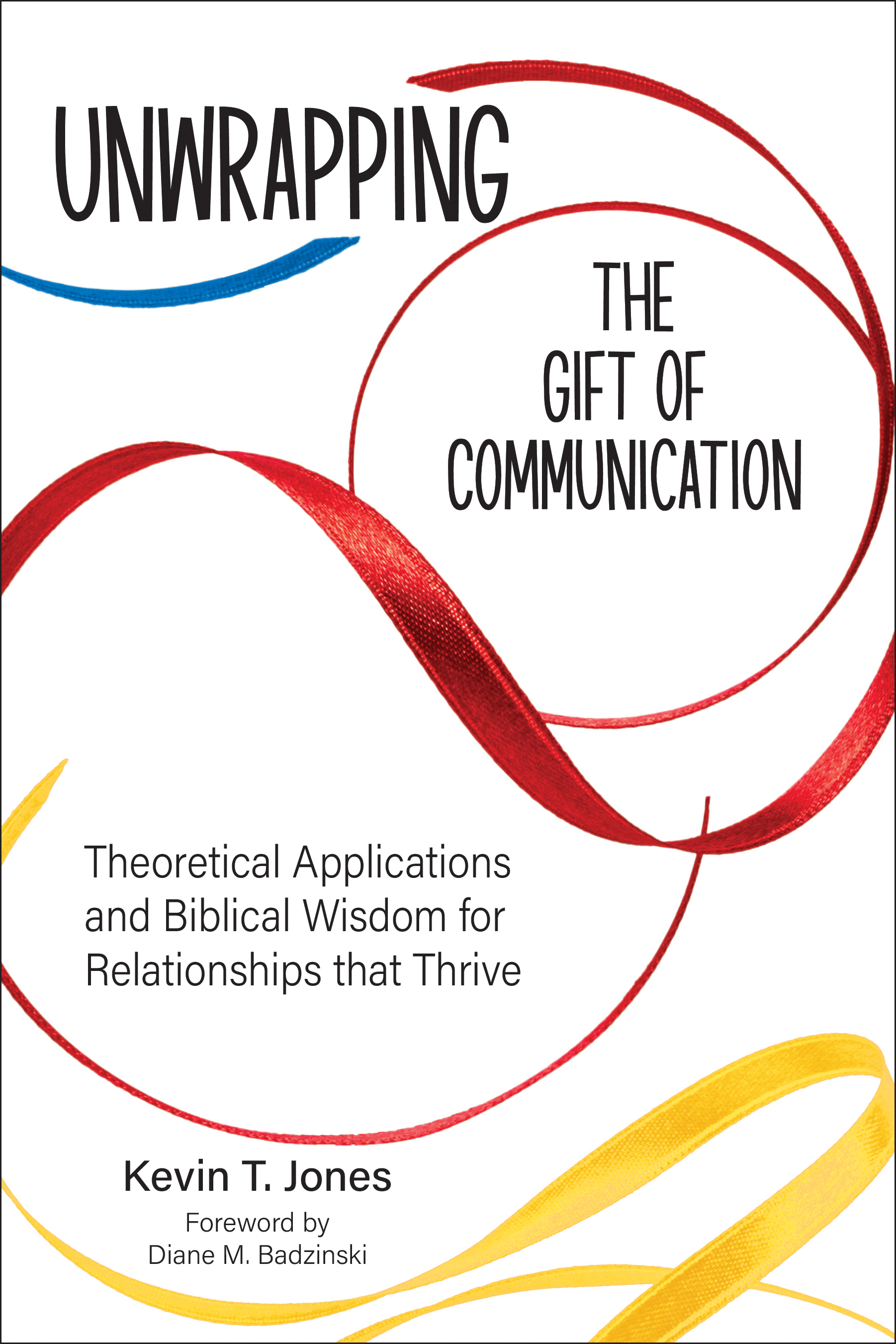
Unwrapping the Gift of Communication provides readers with theoretically sound principles and guidelines for relational communication. God created human beings with the gift of language which allows us to communicate and build relationships. Unfortunately, this "gift" can often cause problems and strain relationships. Fortunately, God was aware of the challenges communication could create and we have been given Scripture to help us figure out how to unwrap the gift and use it in a positive way. This book takes several contemporary communication concepts and uses Scripture to illustrate what that theory means and how to apply it to your everyday...
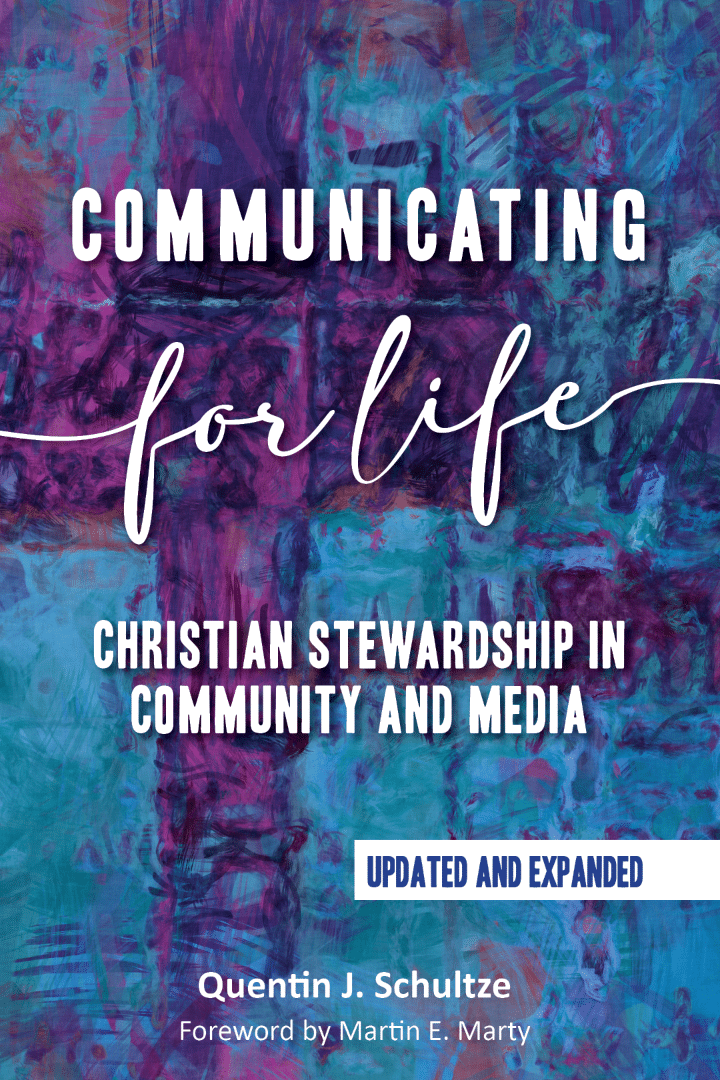
In this updated and expanded edition, the author invites professors of communication and media to reflect on each chapter in light of our current cultural challenges and technological advancements over the past two decades. The collection of voices and conversations offer a discerning introduction to communication theory that guides readers through an interesting, creative, and biblical study of communication. Thoroughly grounded in a Christian worldview, Communicating for Life explores the implications of individual human communication and the influence of communication on community.